May 22, 2026
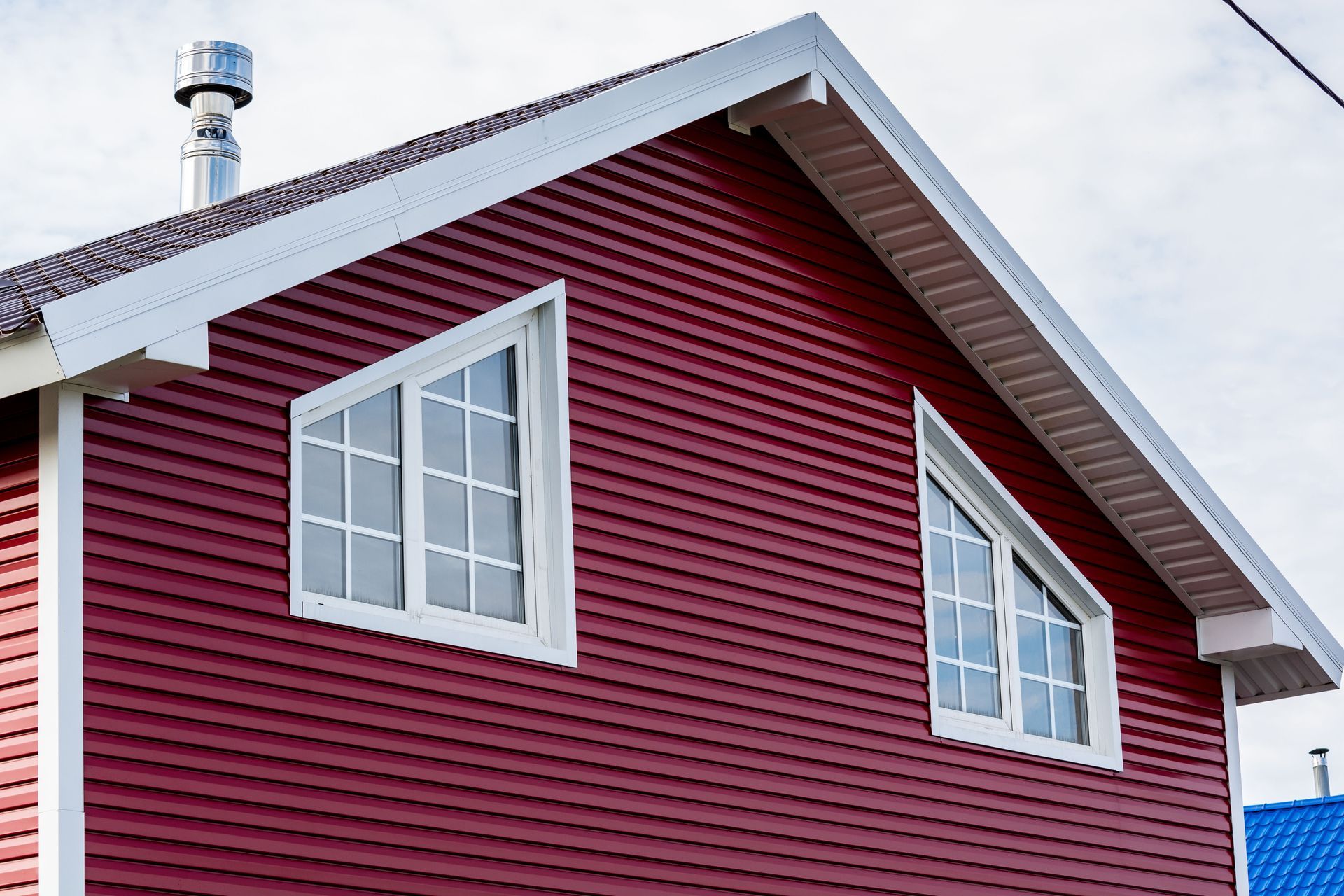
Enhancing the exterior of your home with metal siding can significantly improve its curb appeal and value. A modern approach to exterior home improvement, metal siding offers durability, strong visual appeal, and long-lasting protection. Beyond aesthetics, it can also contribute to the overall energy efficiency of the house.
A well-planned metal siding installation is best handled by experienced professionals who understand exterior preparation, material requirements, weather barriers, fastening methods, and finishing details. By calling in qualified siding experts, homeowners can refresh an aging exterior while getting a sleek, contemporary finish built for long-term performance.
Choosing the Right Type of Metal Siding
Understanding Different Metal Options
When selecting metal siding, there are several material options to consider, including steel, aluminum, and copper. Steel is known for its strength and is often used in climates where durability is a priority. Aluminum offers high resistance to rust and is lighter, making it a smart option for certain exterior designs. Copper is distinct for its patina and high-end aesthetic, though it comes at a premium price. A professional contractor can explain the benefits of each material and recommend the best fit for your home's structure, style, and climate.
Evaluating Durability and Maintenance Requirements
One of the main benefits of metal siding is its durability, but the level of upkeep varies among different metals. Steel siding is extremely strong and useful in areas prone to harsh weather. However, it may require protective coatings to prevent rust over time, which adds some maintenance. Aluminum's rust-resistant nature reduces upkeep, making it a low-maintenance solution suitable for salty coastal regions. Working with experts before scheduling metal siding installation can help you choose a product that matches your home's needs and long-term care expectations.
Considering Aesthetic and Style Preferences
Your choice of metal siding affects durability and the overall appearance of your property. Metal siding offers a variety of panel designs, including horizontal panels, vertical panels, and shingle-like styles. The finish can also vary from matte to glossy, helping complement the architectural style of your home. A siding professional can help compare samples, review color options, and suggest designs that suit your property. The right siding can blend your home into its surroundings while still reflecting your personal taste.
Exploring Cost and Budget Considerations
Budget plays a critical role in the decision-making process for metal siding. While metal siding can have higher upfront costs, it's important to consider its long-term value and maintenance savings. According to Nedes Estimating, homeowners can expect a significant financial recovery on their investment, as metal siding typically delivers an ROI ranging from 85% to 89%. A qualified contractor can provide a detailed estimate, explain material and labor costs, and help you compare options before committing to the project.
Seeking Professional Advice for Selection
Consulting a professional can be invaluable when choosing metal siding. An experienced contractor can offer guidance on the materials that best suit your home's structure, climate, and design goals. They can also provide detailed estimates and project timelines, helping align your expectations with the actual scope of work. Professionals are familiar with local regulations and can work through permitting needs, which supports a smoother metal siding installation from start to finish.
Preparing Your Home for Installation
Inspecting and Repairing the Existing Exterior
Before installation begins, professionals should complete a thorough inspection of the existing exterior. Checking for signs of damage, such as rot, mold, loose sheathing, or weakened framing, helps prevent the new siding from covering hidden problems. Necessary repairs should be made to create a stable and healthy foundation for the metal siding. Ignoring these issues can lead to complications after the project is complete. A trained siding contractor can identify concerns early and recommend the right repair plan.
Measuring and Planning for Material Needs
Accurate measurement is fundamental for estimating material needs and avoiding shortages or excess. Professional installers know how to calculate siding panels, trim, corners, fasteners, flashing, overlaps, and waste allowance. Detailed planning helps all pieces fit cleanly and reduces costly material errors. This is one reason metal siding installation is better left to experts who work with these materials regularly.
Planning for Weatherization and Insulation
Proper weatherization is a key part of preparing your home for metal siding installation. This involves applying barriers that reduce moisture infiltration and improve insulation. High-quality vapor barriers, house wrap, and membranes can help protect against water damage and energy loss. Professional installers understand how to layer these materials correctly around windows, doors, corners, and seams. Strong insulation and weather barriers add to the protective benefits of metal siding.
Using the Right Tools and Equipment
Metal siding requires specialized tools and careful handling. Professional crews arrive with the equipment needed for precise cutting, fastening, measuring, lifting, and alignment. They also know how to work safely with sharp metal panels, ladders, power tools, and elevated areas. Hiring experienced installers reduces the risk of poor cuts, damaged panels, uneven placement, or safety issues during the project.
Obtaining Permits and Reviewing Local Regulations
Compliance with local regulations is necessary before beginning a siding project. Building permits are often required, depending on your municipality and the scope of work. Zoning laws, HOA rules, and neighborhood covenants may also affect material choices, colors, or project timing. A professional contractor can help review these requirements before the metal siding installation begins, reducing the chance of fines, project delays, or required changes after work has started.
Navigating the Metal Siding Installation Process
Preparing the Surface for New Panels
The initial preparation of the surface is a crucial step in the installation process. Professional installers clean, repair, and prepare the exterior so the new siding sits properly and performs as intended. This might involve removing loose materials, clearing debris, repairing damaged areas, and preparing the wall base as needed. A flat and even surface can prevent alignment problems and improve the final appearance. Starting with a properly prepared foundation sets the stage for a successful project.
Following Manufacturer Guidelines and Instructions
Following the manufacturer's guidelines and instructions is important when installing metal siding correctly. These instructions often include specific details about spacing, fastening, panel handling, flashing, and trim placement. Professional contractors are familiar with these requirements and understand how improper methods can affect warranty coverage. During a metal siding installation project, expert installers use these guidelines to support long-term performance and a clean final result.
Using Proper Fastening Techniques
Fastening is a vital step in securing metal siding to the building structure. Proper techniques help maintain the siding's integrity and appearance. This involves selecting suitable fasteners and anchoring them correctly for resistance against wind, rain, and seasonal movement. Incorrect fastening can lead to loosening, rattling, or panel damage. Experienced installers know how to place fasteners correctly so the siding remains stable while allowing for natural expansion and contraction.
Making Accurate Cuts and Configurations
Precision in cutting and configuring the metal panels helps create a professional finish and proper fit. Siding experts use detailed measurements and specialized cutting tools to create clean, straight edges for seams, corners, windows, and trim. Accuracy in configurations prevents gaps and weak points where moisture can enter. Careful workmanship improves both the appearance and function of the siding, which is why professional installation is so important.
By calling in professionals for metal siding installation, homeowners can improve the beauty, durability, and resilience of their home's exterior without taking on a demanding project themselves. Quality materials, careful preparation, proper installation methods, and routine maintenance all contribute to a stronger finished result. While the process requires planning and technical skill, the long-term value, modern curb appeal, and strong ROI can make this upgrade a worthwhile investment for many homeowners. Contact Pine View Builders LLC today for more.